Collagen for Bariatric Patients: The Complete Guide
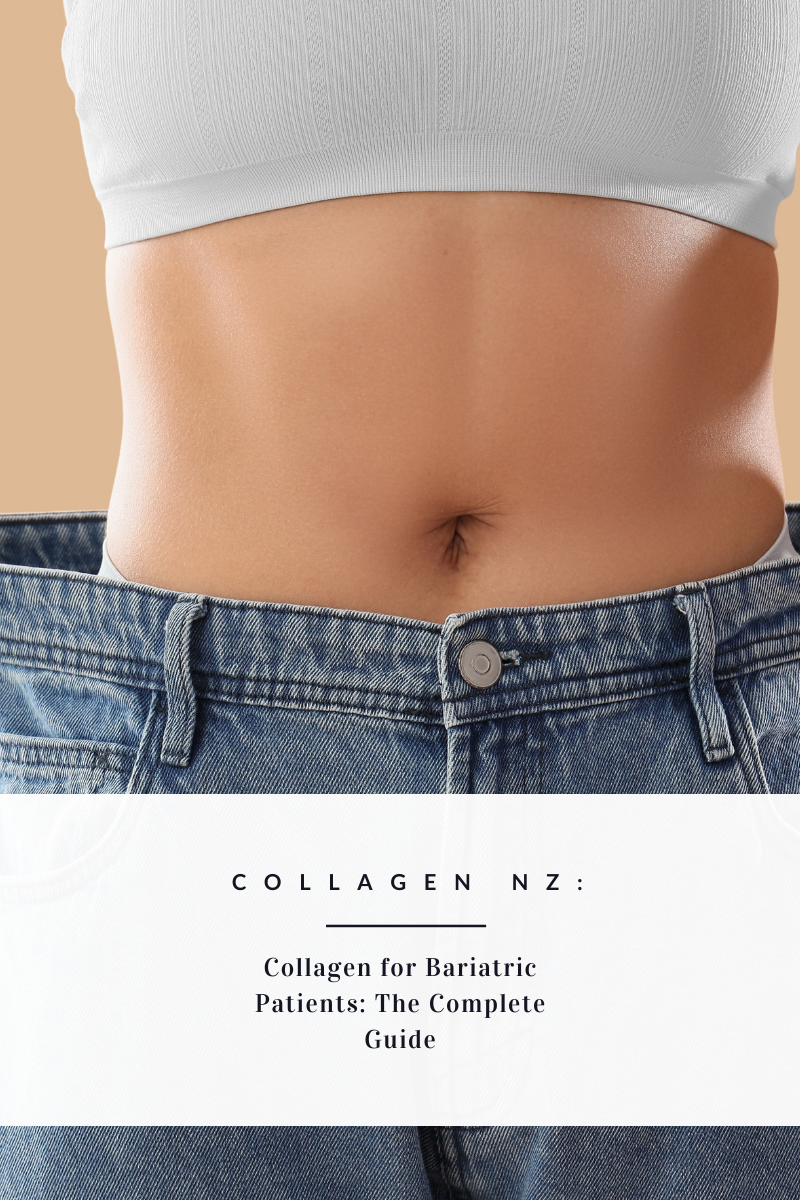
Collagen for Bariatric Patients: The Complete Guide
For individuals who have undergone bariatric surgery, maintaining adequate nutrition becomes one of the most important parts of long-term success. Because the digestive system and stomach capacity change significantly after surgery, meeting daily protein needs can sometimes be challenging.
Protein plays a key role in supporting recovery, muscle maintenance, skin health and overall wellbeing after weight loss surgery.
This is one reason many bariatric patients explore collagen peptides as part of their daily nutrition routine.
At BariBody, we work closely with individuals navigating life after bariatric surgery and understand the unique nutritional challenges that can arise during this journey. This guide explains how collagen works in the body and how collagen peptides may fit alongside a balanced bariatric diet.
What Are Collagen Peptides?
Collagen is the most abundant protein in the human body, forming the structural foundation of skin, tendons, ligaments, bones and connective tissues.
Collagen peptides are created through a process called hydrolysis, where collagen protein is broken down into smaller chains of amino acids. This process allows collagen peptides to dissolve easily in liquids and makes them easier for the body to absorb.
Collagen peptides are particularly rich in three amino acids:
Glycine
Proline
Hydroxyproline
These amino acids are essential building blocks involved in the structure of connective tissues.
Because collagen peptides are typically tasteless and easy to mix, they can be added to drinks such as coffee, tea, smoothies or water.
Why Protein Is So Important After Bariatric Surgery
Protein intake is one of the most important nutritional priorities following bariatric surgery.
Adequate protein intake helps support:
muscle preservation during weight loss
tissue repair and healing
hair and nail health
skin structure
immune function
Most bariatric nutrition guidelines recommend a minimum of 60–80 grams of protein per day, although individual needs may vary.
Because stomach capacity is smaller after surgery, many people find it helpful to focus on protein-rich foods first at each meal.
Why Collagen Peptides Can Be Helpful After Bariatric Surgery
While collagen peptides are not considered a complete protein, they can still play a helpful role in supporting overall protein intake.
At BariBody, we often see individuals choose collagen peptides because they:
dissolve easily in drinks
are typically neutral in flavour
can be added to foods without changing taste
are easy to consume when appetite is low
For people who find traditional protein shakes too heavy or overly sweet, collagen peptides can be a simple way to supplement protein intake throughout the day.
Collagen peptides are commonly added to:
coffee
tea
smoothies
soups
water
When used alongside other protein-rich foods, collagen peptides can help support daily protein goals.
Collagen and Skin After Weight Loss
Loose skin is a common concern following significant weight loss, including after bariatric surgery.
The skin contains large amounts of collagen fibres that provide structure and elasticity. Over time, natural collagen production declines with age, and rapid weight loss can place additional stress on the skin.
Research has explored whether collagen peptide supplementation may support skin hydration, elasticity and dermal structure when taken consistently.
While collagen supplements cannot completely prevent loose skin, supporting the body with adequate protein and nutrients may help maintain overall skin health.
Collagen and Hair Loss After Bariatric Surgery
Hair thinning can sometimes occur several months after bariatric surgery.
This condition, known as telogen effluvium, occurs when the body experiences stress from rapid weight loss or nutritional changes.
Ensuring adequate intake of:
protein
iron
zinc
vitamins
may help support the body during this transition.
Hair growth usually resumes once the body adapts to the new nutritional environment.
At BariBody, we often see that maintaining consistent protein intake is one of the most important factors in supporting individuals during this phase.
How to Include Collagen Peptides in a Bariatric Diet
Collagen peptides can be easily incorporated into everyday routines.
Common ways to include collagen peptides include:
stirring into coffee or tea
adding to smoothies
mixing into soups
dissolving in water
Because collagen peptides dissolve easily and are typically flavourless, they can be used without significantly changing the taste of drinks or meals.
Consistency is often more important than timing when incorporating collagen into daily nutrition.
Collagen vs Traditional Protein Powders
Traditional protein powders such as whey or plant proteins provide a complete amino acid profile, which is important for muscle building and overall protein intake.
Collagen peptides differ because they are particularly rich in amino acids that support connective tissues and skin structure.
At BariBody, we believe collagen peptides work best when used alongside a varied protein-rich diet, rather than replacing other protein sources entirely.
Combining collagen peptides with whole food protein sources can help support balanced nutrition after bariatric surgery.
The Bottom Line
Nutrition plays a critical role in recovery and long-term health after bariatric surgery. Protein is one of the most important nutrients for supporting muscle maintenance, tissue repair and overall wellbeing.
Collagen peptides can be a convenient addition to a varied protein diet, particularly for individuals adjusting to smaller meals or reduced appetite after surgery.
At BariBody, our focus is on helping individuals build sustainable nutrition habits that support long-term success after weight loss surgery.
Recommended Reading
If you would like to learn more about collagen peptides and bariatric nutrition, explore these resources:
How Long Does Collagen Take to Work? (coming soon)
The Bariatric Guide to Protein After Weight Loss Surgery (coming soon)
Collagen Peptides and Sleep (coming soon)